
See What Eaves Replacement Tricks The Celebs Are Making Use Of

 Forrest Lance
본문
The Complete Guide to Eaves Replacement
Eaves are an important part of a structure's roof. These overhanging edges serve multiple functions, from directing rainwater away from the foundation to enhancing the visual appeal of a structure. However, like any other building element, eaves can wear with time due to exposure to the components. This short article will explore the value of eaves, the indications that suggest a need for replacement, the process of eaves replacement, and regularly asked concerns associated with this subject.
Understanding Eaves
Eaves are the part of a roofing that overhangs the walls of a structure. They can be discovered in different architectural styles, and their style typically depends on the building's general aesthetic. The main functions of eaves are:
Water Management: Eaves help in directing rainwater away from the walls and foundation, thus avoiding water damage and disintegration.
Defense: They protect the structure from direct sunshine, which can help in decreasing cooling costs in warmer environments.
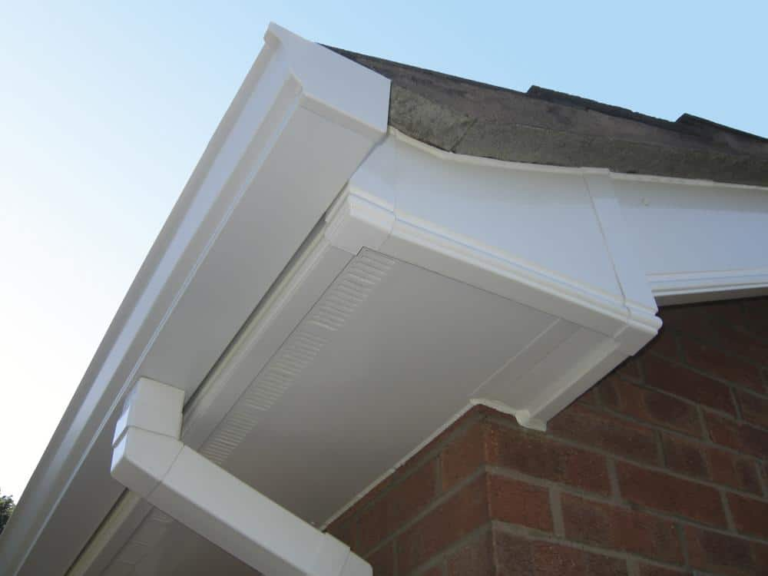
Visual Appeal: Eaves contribute significantly to the architectural style and appeal of a building.
Types of Eaves
There are mostly 2 types of eaves: Open Eaves and Closed Eaves.
Open Eaves: These have actually exposed rafters or beams and offer a rustic look. They are simple to maintain but may need more attention to prevent water damage.
Closed Eaves: These are completed with a soffit and fascia, creating a cleaner look. They often are better at hiding essential elements, such as ventilation systems.
| Function | Open Eaves | Closed Eaves |
|---|---|---|
| Aesthetic Appeal | Rustic | Clean |
| Maintenance Ease | Simpler | More Complex |
| Protection Level | Moderate | High |
Signs That Your Eaves Need Replacement
It is crucial to examine eaves regularly to ensure they remain in good condition. Some indications that indicate a requirement for eaves replacement consist of:
Visible Damage: Cracks, holes, or substantial wear are clear signs that your eaves may require replacement.
Water Stains: If you notice water discolorations on interior walls or ceilings, it could suggest that water is not being effectively directed away.
Drooping or Drooping: Eaves that droop or droop may signify structural failure or heavy water build-up.
Rotting Wood: Wood eaves are susceptible to rot. If the wood feels soft or reveals signs of decay, replacement is essential.
Bug Infestation: Evidence of bugs like ants or termites can be an indication of instability in the eaves and hence a requirement for replacement.
The Eaves Replacement Process
Replacing eaves can be a labor-intensive task, frequently needing professional support. Below is a detailed procedure of how eaves are typically replaced:
Assessment: Identify damage and determine the kind of eaves that need to be changed.
Removal: Carefully eliminate the existing eaves. This might involve cutting nails or screws and ensuring that contributing structures are not harmed.
Preparation: Inspect and repair any damage to the underlying structures, such as fascia boards.
Installation: Install the new eaves. This includes connecting them safely to make sure prevent future concerns.

Finishing Touches: After installation, painting or sealing the eaves might be essential to secure versus the components.
Assessment: Carry out a last assessment to ensure that everything has actually been installed properly and that there are no leakages.
Maintenance Tips for Eaves
Once the brand-new eaves are installed, it is necessary to keep them properly maintained. Here are some suggestions:
- Regularly clean rain gutters to avoid obstructions.
- Check eaves after heavy storms for any damage.
- Paint or seal wood eaves every 3-5 years to avoid rot.
Frequently Asked Questions About Eaves Replacement
Q1: How long does it generally require to replace eaves?A: The duration depends upon the size of the job and complexity however can range from a few hours to a couple of days.
Q2: Can I change eaves myself?A: DIY replacement is possible for those with the right skills and tools. Nevertheless, employing experts is a good idea for security and performance, especially for intricate structures. Q3: What products are typically used for eaves?A: Eaves can
be made of different materials, consisting of wood, vinyl,
aluminum, and fiber cement. The choice frequently depends upon the structure's design and environmental conditions. Q4: How much does eaves replacement typically cost?A: Costs vary significantly based upon location, materials selected, and labor charges, typically varying
from ₤ 100 to ₤ 300 per linear foot for installation. Q5: Can I change the style of my eaves?A: Yes, eaves can be changed with a different style throughout the replacement procedure, permitting house owners to boost their building's visual appeals. Eaves play a vital role in securing a building and boosting its appearance. Routine inspections and prompt replacements are imperative to preserve both performance and aesthetics. While eaves replacement can be a difficult task, understanding the procedure and knowing when to take action can make it more manageable. Interested house owners need to speak with professionals to guarantee an effective replacement process tailored to their particular needs.
댓글목록0
댓글 포인트 안내