
A Guide To Buy Driving License From Start To Finish

 Esther
본문
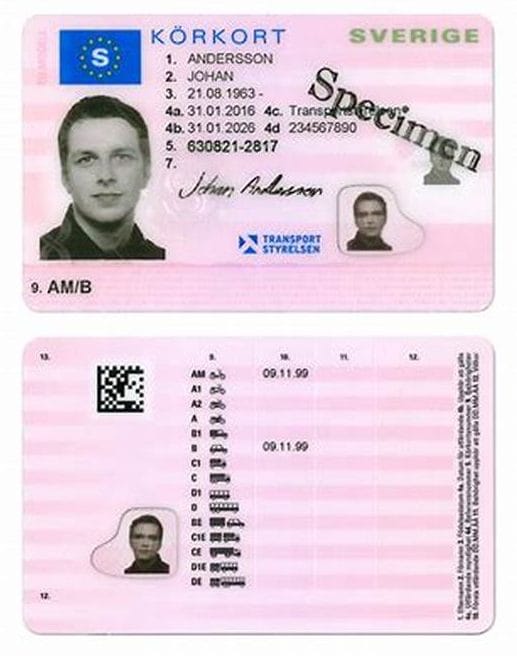
The Comprehensive Guide to Legally Obtaining a Driving License
Driving is a basic skill for lots of, using the flexibility to take a trip where and when you desire, typically making life easier and pleasurable. Nevertheless, obtaining a driving license is a process that needs understanding, persistence, and adherence to legal procedures. This guide aims to provide a comprehensive overview of the actions one should follow to legally obtain a driving license, highlighting important considerations and frequently asked questions to ensure a smooth and hassle-free experience.
Understanding the Basics
Before diving into the application process, it's essential to understand the fundamental requirements and types of driving licenses readily available. Driving laws vary significantly from country to country, and even within different states or provinces within the same country. Normally, there are several kinds of driving licenses, including:
- Learner's Permit: This is frequently the primary step in the procedure, permitting new drivers to gain experience under guidance.
- Provisionary License: Issued after passing a standard driving test, this license typically comes with restrictions and is a stepping stone to a full license.
- Full Driver's License: Once all the needed requirements are fulfilled, motorists can obtain a full license, which provides complete driving opportunities.
- Commercial Driver's License (CDL): Required for those who wish to run commercial lorries, such as trucks or buses.
Actions to Obtain a Driving License
1. Research Local Driving Laws
The primary step in obtaining a driving license is to look into the particular requirements in your location. Check out the official website of your local Department of Motor Vehicles (DMV) or equivalent company to discover detailed details about the licensing process, consisting of age constraints, required documents, and costs.
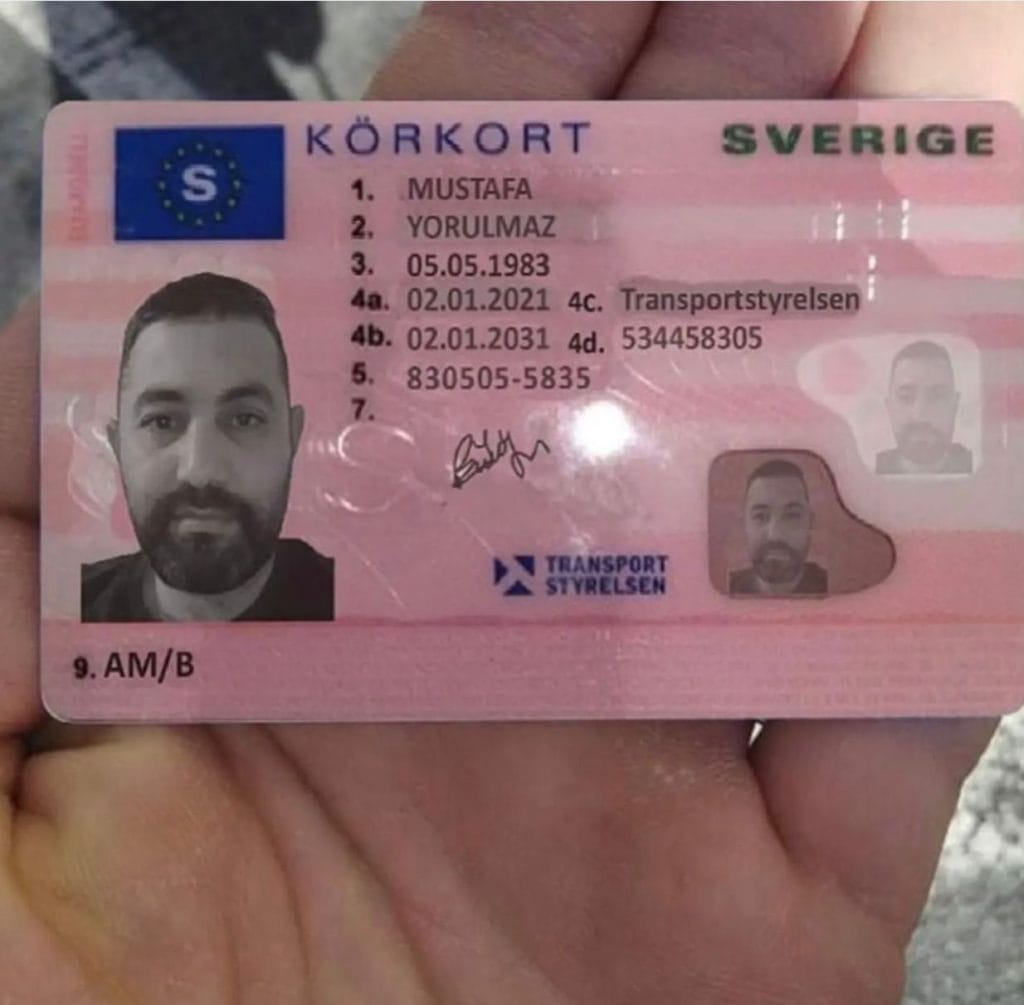
2. Prepare Required Documentation
Each jurisdiction has its own set of files that must be sent to look for a driving license. Frequently required documents include:
- Proof of Identity: A passport, birth certificate, or state-issued ID.
- Evidence of Residency: Utility costs, lease arrangements, or other main documents that validate your address.
- Social Security Number (if suitable): In some nations, a social security number or equivalent is needed for identification.
- Vision Test Results: Some locations need a vision test before issuing a learner's license or license.
3. Take a Driver's Education Course
Numerous states and nations require new motorists to finish a driver's education course. These courses are designed to teach the guidelines of the roadway, traffic laws, and safe driving practices. They can be finished Köpa A1 och A2 Körkort Online (recommended site) or in a class setting and typically consist of both theoretical and practical components.
4. Request a Learner's Permit
Once the required documentation is prepared and the driver's education course is completed, the next step is to request a learner's authorization. This generally involves going to the DMV or submitting an application online. You will also require to pass a written test that covers traffic laws and driving understanding.
5. Practice Driving
With a student's license, you can begin practicing driving under the guidance of a licensed grownup. This is a vital action in constructing your self-confidence and skills behind the wheel. It's also important to get experience in various driving conditions, such as night driving, highway driving, and driving in inclement weather.
6. Schedule and Pass the Driving Test
After acquiring enough driving experience, you can schedule a driving test with the DMV. The test will assess your capability to securely run a vehicle and follow traffic laws. You will require to bring a correctly signed up and guaranteed vehicle to the test, and the examiner will assess your driving skills on an established route.
7. Request a Provisional License
If you pass the driving test, you will generally get a provisionary license. This license may include constraints, such as a curfew or a limit on the number of travelers you can have in the automobile. These constraints are created to lower the threat of mishaps and assist new motorists acclimate to the road.
8. Update to a Full License
As soon as you have actually held a provisionary license for the necessary period and satisfied any extra requirements, you can upgrade to a full driver's license. This process usually involves a simple application and might need a retest or extra documentation.
Tips for a Successful Application
- Start Early: Begin the procedure as quickly as you meet the age requirement to give yourself sufficient time to prepare.
- Stay Informed: Keep updated with any modifications in driving laws or DMV procedures.
- Practice Regularly: Consistent practice is essential to building self-confidence and improving your driving skills.
- Stay Calm During the Test: Anxiety can impact your efficiency, so take deep breaths and stay focused.
- Follow DMV Instructions: Pay very close attention to the instructions offered by the DMV and the examiner throughout your test.
Frequently Asked Questions (FAQs)
Q: What is the minimum age to get a learner's license?
A: The minimum age differs by jurisdiction. In the United States, it generally varies from 15 to 16 years old. In the UK, the minimum age is 17. Examine your regional DMV website for specific information.
Q: Can I get a driver's license online?
A: Some jurisdictions allow you to complete parts of the application procedure online, such as filling out forms and scheduling tests. However, you will typically need to check out a DMV office face to face to send needed files and take the driving test.
Q: What takes place if I fail the driving test?
A: If you stop working the driving test, you can normally retake it after a specific duration. This duration differs by place, however it is typically a couple of weeks. It's a great idea to practice more before retaking the test to improve your possibilities of success.
Q: Can I drive alone with a student's authorization?
A: No, a learner's permit generally requires you to be accompanied by a licensed adult, generally over 21 years of ages, who is seated in the front passenger seat.
Q: Is a vision test required to get a driving license?
A: Yes, most jurisdictions require a vision test to make sure that you can securely operate a lorry. You can normally take this test at the DMV or with an authorized optometrist.
Q: How long does it require to get a full driver's license?
A: The time needed to obtain a complete driver's license differs depending on your jurisdiction and the particular steps involved. Normally, it can take a number of months, including the time required to complete a driver's education course, hold a learner's authorization, and pass the driving test.
Q: Can I use a provisionary license to drive for work?
A: It depends on the restrictions positioned on your provisional license. Some provisional licenses enable you to drive for work, while others might have particular constraints. Inspect your license for information or call the DMV for information.
Q: What is the distinction between a student's license and a provisional license?
A: A learner's authorization is the very first stage of the licensing procedure and allows you to drive just under supervision. A provisional license, on the other hand, grants you more driving opportunities however may still have some restrictions, such as a curfew or traveler limits.
Q: Can I request a business driver's license (CDL) without a complete driver's license?
A: No, you normally need a complete driver's license before obtaining a CDL. A CDL is a customized license that needs additional training and testing, and it is only released to those who have demonstrated the capability to safely run a standard automobile.
Q: What should I do if I lose my driving license?
A: If you lose your driving license, you must report it to the DMV and make an application for a replacement. You might require to supply evidence of identity and pay a cost. It's also a great idea to notify your insurance provider and any other appropriate celebrations.
Getting a driving license is a considerable turning point that opens up new chances and increases self-reliance. By following the actions detailed in this guide and staying informed about local laws and requirements, you can make sure a smoother and more successful licensing process. Bear in mind that driving is a serious obligation, and putting in the time to discover and practice is vital for your security and the safety of others on the roadway.
댓글목록0
댓글 포인트 안내