
You'll Never Guess This French Door Damage's Secrets

 Charmain
본문
The Comprehensive Guide to French Door Damage: Causes, Solutions, and Prevention
French doors are a popular architectural option, celebrated for their sophistication and ability to bring the beauty of the outdoors into homes and businesses. Nevertheless, like any other component of a structure, French doors can experience damage over time. This short article provides a thorough take a look at the causes of French Door Damage (https://www.lshserver.com:3000/french-door-technicians5144), the various kinds of damage that may happen, reliable repair strategies, and preventive measures house owners can embrace. By understanding these aspects, homeowners can keep the visual and practical integrity of their French doors.
Kinds Of French Door Damage
French door damage can manifest in numerous ways. Below are the most common kinds of damage that homeowners might experience:
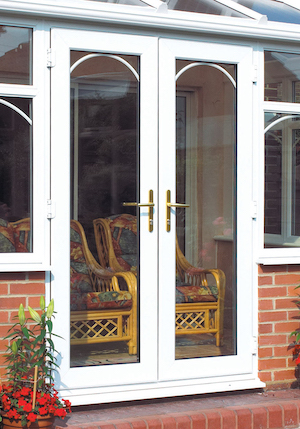
| Type of Damage | Description |
|---|---|
| Wood Rot | Decay of wooden parts due to extended exposure to wetness. |
| Contorting | Contortion of the door frame brought on by modifications in temperature level and humidity. |
| Cracks and Splinters | Surface flaws on the door due to physical impact or aging. |
| Glass Damage | Damage or splitting of the glass panels, frequently due to effect or weather. |
| Hardware Issues | Malfunctioning hinges, locks, or handles that affect door operation. |
Causes of French Door Damage
Comprehending the reasons for French door damage is critical to reliable repair and maintenance. Several elements add to the degeneration of these gorgeous doors, consisting of:
Exposure to Moisture: Consistent direct exposure to rain and humidity can cause wood rot and mold development, especially if proper sealing is not done.
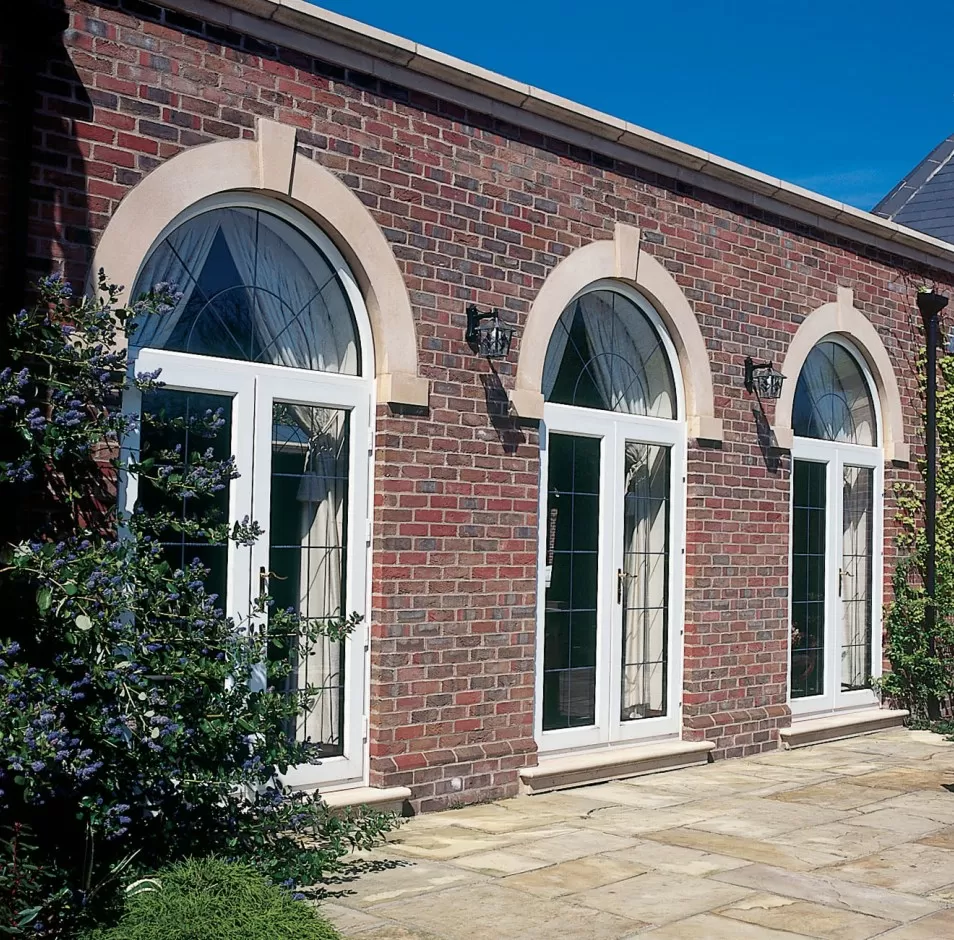
Temperature Fluctuations: Extreme temperature level modifications can trigger wood to broaden and agreement, resulting in warping or splitting.
Improper Installation: If a French door is not installed properly, it may not operate effectively or line up with the frame, leading to spaces that can cause more damage.
Impact Damage: Physical impacts from furniture, pets, or external sources can lead to fractures and splinters.
Poor Maintenance: Neglecting regular cleansing and maintenance tasks can exacerbate issues, leaving doors vulnerable to damage.
Repairing French Door Damage
When house owners discover damage to their French doors, timely repairs are necessary to avoid additional complications. Here are some advised repair techniques based on the type of damage:
1. Wood Rot Repair
- Identify Affected Areas: Determine the extent of the wood rot by analyzing the door frame and other wooden parts.
- Eliminate Rot: Use a chisel or utility knife to eliminate decomposing wood.
- Change with New Wood: Fill any spaces with wood filler or change entirely decomposed sections with brand-new wood.
- Seal and Paint: Once repairs are made, ensure that the wood is sealed and painted to avoid future rot.
2. Deforming Fix
- Evaluate the Damage: Determine the level of warping.
- Humidity Control: Use a dehumidifier to lower moisture in the location, which may help the wood return to its original shape.
- Strengthen Structure: If warping is extreme, think about adding more assistance or changing the door entirely.
3. Fractures and Splinter Repair
- Fill Cracks: Use wood putty to fill small cracks and sand down the surface for a smooth finish.
- Change Panels: If splinters are extensive, changing the whole panel might be necessary.
4. Glass Panel Repair
- Safety First: Wear protective gloves and eyeglasses when dealing with damaged glass.
- Replace Glass: If a panel is cracked or broken, measure the dimensions and change the glass. Look for professional assistance if required.
5. Hardware Fixes
- Inspect Hinges and Locks: Check for rust and wear.
- Lube and Tighten: Use lube on hinges and tighten screws to enhance functionality or replace malfunctioning hardware if needed.
Avoiding French Door Damage
Proactive maintenance is vital to extend the life expectancy of French doors. Here are numerous preventive procedures property owners ought to consider:
- Regular Inspections: Regularly inspect doors for indications of wear or damage.
- Weatherproofing: Apply weatherstripping and caulk to seal spaces and protect against moisture.
- Regular Cleaning: Keep the doors clean to avoid dirt buildup that can trigger scratches and degeneration.
- Routine Painting and Sealing: Repaint or reseal doors every couple of years to safeguard against the elements.
- Control Humidity: Use humidifiers/dehumidifiers in locations prone to moisture change.
Frequently Asked Questions About French Door Damage
Q1: How can I tell if my French door is damaged?A1: Look for
signs of wood rot, warping, cracks in the wood or glass, and hardware issues. A misalignment in the door operation can likewise show damage. Q2: Can I repair French door damage myself?A2:
Many small repairs, such as filling cracks, lubricating hardware, and sealing wood, can be done independently. However, for substantial damage or glass replacement, think about working with a professional. Q3: How often must I perform maintenance on my French doors?A3: It's recommended to conduct a
extensive inspection a minimum of twice a year and carry out regular maintenance as needed. Q4: What should I do if I have extensive damage?A4: In cases of serious damage, such as significant wood rot or damaged glass, look for the help of a professional specialist or specialist for assessments and repairs. French doors are a stunning addition to any home, supplying beauty along with performance. Nevertheless, they are not unsusceptible to damage. Understanding the types of damage that can occur, recognizing the causes, and carrying out
effective repair strategies can help preserve the beauty and stability of these doors. By practicing great maintenance and preventive care, property owners can delight in the sophistication of French doors for many years to come.
댓글목록0
댓글 포인트 안내